Using Real Estate Geographic Farming to Boost Your Business
While online marketing, hosting open houses, and advertising are all essential, there’s another powerful strategy that can help you stand out in your community: real estate farming. Geographic farming allows agents to focus their efforts on a defined area instead of spreading marketing too thin. For agents looking to strengthen their real estate lead generation, farming real estate provides a reliable, long term way to build recognition, trust, and local authority. In this blog, we’ll cover what is farming in real estate, how geographic farming works, and why it remains one of the most effective strategies for improving real estate lead conversion.
If you want the short version, realtor farming works when you pick the right geographic farm and show up consistently with value. Real estate agent farming is not about a clever postcard. It is about being the obvious local choice when someone needs an agent, because you have been present, helpful, and recognizable for months.
What Is Farming in Real Estate?
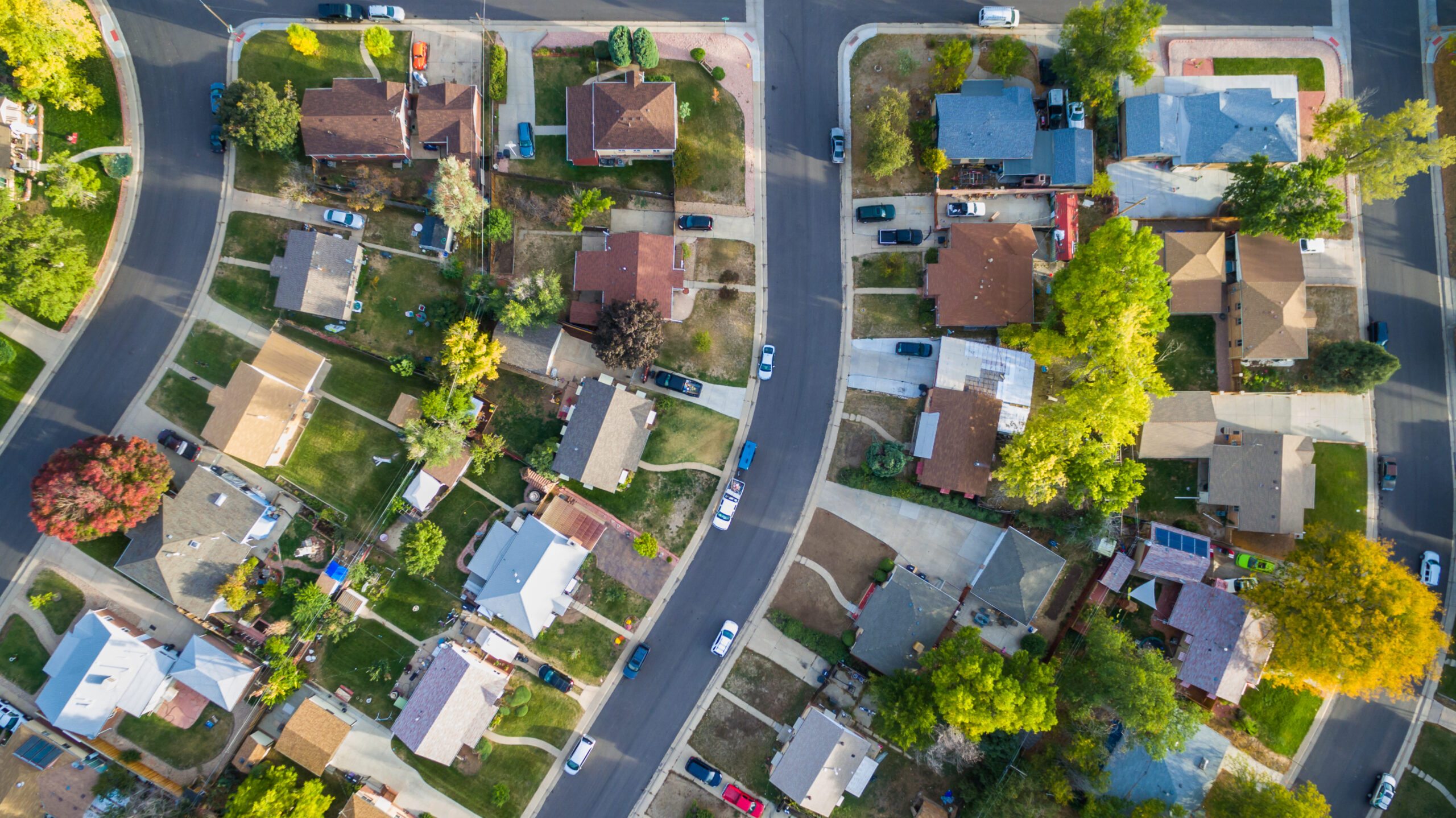
Geographic farming in real estate is a strategic marketing approach where agents concentrate their efforts on a specific neighborhood or geographic area to establish a strong local presence. Rather than chasing every opportunity, real estate farming focuses on becoming the trusted expert within a clearly defined market. When farming real estate, agents consistently market to the same audience over time. This helps build familiarity and credibility, which leads to stronger relationships within their lead database, more referrals, and increased opportunities inside that geographic area. The ultimate goal of geographic farming is to be top of mind when homeowners are ready to buy or sell. This is achieved through consistent, targeted marketing such as distributing real estate mailers, hosting neighborhood events, advertising locally, and using digital marketing to reinforce your presence.
You may also hear this called a geographic farm strategy, geo farming marketing, or geofarming. The label matters less than the system. Farming in real estate works best when your message is consistent, your follow up is predictable, and your marketing looks like it belongs in that neighborhood.
Quick Answer: How Does Geographic Farming Work?
Geographic farming works when you choose a specific area, then run a consistent plan that mixes direct mail, community presence, and simple digital touches. Over time, the neighborhood starts recognizing your name. When a homeowner is ready, your real estate farming efforts create trust before the first conversation even happens.
What to Look for When Geographic Farming
A critical factor in successful real estate farming is choosing an area with enough annual turnover to support your investment. Researching sales volume, turnover rates, and pricing trends helps determine whether a neighborhood is a strong fit for geographic farming. You should also analyze demographics such as population size, income levels, age ranges, and homeowner stability. This data allows you to tailor your geographic farming strategy so your messaging aligns with what residents care about most. When done correctly, farming for real estate becomes a predictable system rather than a guessing game.
Practical tip: keep your first geographic farm small enough to market consistently. A smaller, well run real estate agent farming plan beats a huge area that you touch once and forget. If you are new to farming real estate, you want repetition, not reach.
How to Farm in Real Estate
If you are wondering how to farm in real estate without wasting money, think in simple steps. This is the part most agents skip, and it is also the part that makes geographic farming feel easy to maintain once it is built.
- Define the geographic farm. Pick the neighborhood, map the homes, and commit to that list.
- Choose one core message. Your geo farming marketing should sound like one voice, not five experiments.
- Set your cadence. Plan monthly touches plus lightweight weekly visibility online.
- Track responses and adjust. Measure calls, site visits, open house conversations, and listing opportunities.
- Stay consistent long enough to compound. Farming for real estate rewards patience more than intensity.
This is where geographic farming becomes more than marketing. It becomes a routine. When the routine is stable, the results usually show up in a way that feels surprisingly predictable.
Marketing for Target Geographic Farming Areas
Once you’ve selected your target area, consistent marketing becomes the engine that drives results. Direct mail, flyers, brochures, paid ads strategy, and social media should all work together to reinforce your expertise within that neighborhood. Effective geographic farming is not about one time outreach. It’s about showing up repeatedly so residents recognize your name and associate it with real estate expertise. This steady visibility builds trust and positions you as the local authority over time.
To strengthen your farming real estate efforts, consistency matters. Proven tactics like weekly emails help you stay in front of your audience and provide ongoing value through local market updates. This ongoing communication increases engagement and helps turn geographic farming into long term listings and clients added to your lead database. With the right geo farming real estate strategy in place, real estate farming becomes a scalable way to grow your business with more predictability and less wasted effort.
A simple rule that helps: your offline touches should be consistent enough to be expected, and your online touches should be consistent enough to be familiar. That is the heartbeat of realtor farming that actually converts.
Real Estate Farming Tools That Make This Easier
The best real estate farming tools reduce effort, increase consistency, and keep your message tight. You do not need a hundred platforms. You need a small stack you can run every month without burning out.
- Geo farming real estate tools that help you map a geographic farm and plan touches.
- Direct mail tools to keep your real estate farming consistent with mailers.
- Database tools to track conversations and follow up inside your farm.
- Weekly email tools to stay present with market updates and useful local info.
- Paid ads tools to support geo farming marketing with targeted visibility.
If you have struggled with farming in real estate before, it is often because the plan required too much manual effort. Real estate farming tools do not replace skill, but they do protect consistency, and consistency is what makes geofarming work.
Recap: Real Estate Farming FAQ
What is farming in real estate?
Farming in real estate is a lead generation system where you repeatedly market to the same group of homeowners, usually within a specific geographic farm. The goal is long term recognition and trust, so when someone is ready to sell or buy, your name is already familiar through consistent real estate farming.
How do you choose a geographic farm?
Choose a geographic farm by balancing turnover, affordability, and your ability to market consistently. Look for enough yearly sales to create opportunity, home values that fit your budget for farming real estate, and an area you can realistically cover with mailers, events, and geo farming marketing without stopping after a few months.
How big should a real estate farm be?
Your real estate farm should be big enough to produce listings but small enough to touch consistently. Many agents start with a manageable number of homes they can mail monthly, then expand after results. Real estate agent farming fails more from inconsistency than from picking an area that is slightly too small.
How often should you market to your farm?
Most geographic farming plans work best with consistent monthly direct mail plus simple weekly digital visibility. The exact cadence depends on budget and competition, but the key is repetition. Farming for real estate is a familiarity game, and familiarity only happens when you show up often enough to be remembered.
What are the best real estate farming tools?
The best real estate farming tools help you do three things: target the right homes, deliver consistent outreach, and track follow up. Look for tools that support mapping and list building, direct mail and email delivery, plus database tracking. When your tools reduce friction, farming real estate becomes easier to maintain.
How long does real estate farming take to work?
Real estate farming usually takes a few months before you see clear traction, and stronger results often appear after sustained consistency. Geographic farming is cumulative. Each touch makes the next touch more effective. If you treat realtor farming like a long term system instead of a quick campaign, the returns tend to compound.