Is Real Estate Geo Farming Right for You? 5 Questions to Ask
Is real estate geo farming right for you? It is usually a strong fit when you can identify one viable neighborhood, fund consistent outreach, show up locally, understand the homeowners, and give the strategy enough time to build recognition. If several of those conditions are missing, another lead generation channel may produce results sooner.
Before you commit to an area, review this free real estate geo farming case study to see what a working farm can look like.
Real estate geo farming can be incredibly effective because relationships and reputation matter. The agents who win in a specific neighborhood are often the ones who become known, trusted, and top of mind over time.
But geo farming is not automatically the right lead generation strategy for every agent. Some agents thrive with it. Others are better served by a different approach.
Use these five questions to weigh the time, budget, competition, and effort required to build a local presence.
| Fit question | A promising sign | A reason to reconsider |
|---|---|---|
| Do you have a clear area? | The neighborhood has opportunity and room for your brand. | One agent dominates or the area is too broad to cover consistently. |
| Can you fund the plan? | You can sustain repeated outreach without straining your business. | Your budget only supports a short campaign. |
| Do you want local visibility? | You enjoy community involvement and relationship building. | You prefer a less public lead generation strategy. |
| Do you understand the homeowners? | You know what local residents value and how they communicate. | Your messaging would be generic or disconnected from the area. |
| Can you wait for results? | You can stay consistent while recognition develops. | You need immediate leads or cannot maintain the campaign. |
What Is Geo Farming in Real Estate?
Geo farming in real estate means consistently marketing to one specific neighborhood or local area so you become the agent people know and trust there. It is also called geographic farming or geofarming. It can work extremely well, but it is not the right strategy for every agent, budget, or market.
Usually, a geo farming real estate plan includes repeated local touchpoints such as direct mail, community events, door knocking, email newsletters, and neighborhood branding. The goal is simple: when people in that area think about real estate, they think about you. For the complete implementation process, use this real estate geographic farming guide.
So, does real estate farming work? Yes, it can. But the better question is whether it is the right fit for you. Here are five signs that will help you decide.
1. You Have a Clear Area to Target
The first sign that real estate geo farming might be right for you is that you already see a clear, logical area to focus on.
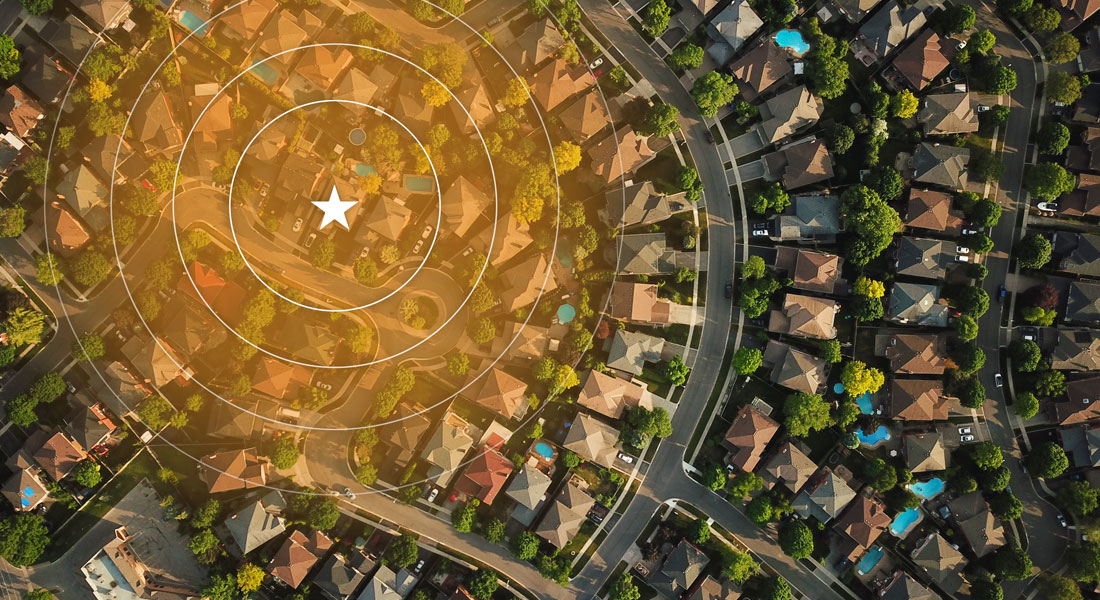
There are no official boundaries for a geographic farm. You draw your own lines, which means your chosen area needs to make sense. Ideally, the homes are relatively similar in value, the residents share some common interests, and your messaging would feel relevant across the neighborhood.
A great farm area often has enough homes to create meaningful opportunity, but not so many that your marketing becomes scattered or too expensive to sustain. School zones, subdivisions, and tightly connected neighborhoods can all be strong options. Check annual turnover, total homes, average sale price, marketing cost per household, and the share of listings controlled by the leading agent before you choose the area.
Just as important, you need to assess the competition. If another agent or team already dominates the area, breaking in may require more money and more time than you want to invest. If one agent controls a major share of the listings and local mindshare, you may be stepping into a very expensive uphill battle.
If you have identified a neighborhood with real opportunity and room for you to grow, that is one of the strongest early signs that geo farming real estate could be a fit.
2. You Can Afford Consistent Marketing
Geo farming is not usually a low cost strategy. One of the biggest reasons agents struggle with it is not that it does not work, but that they cannot fund it consistently enough to make it work.
Direct mail, local branding, pop by items, print pieces, and community events all come with real costs. Sending one postcard is easy. Sending postcards consistently to the same homes for months is where the financial commitment becomes real.
One of the biggest opportunities of having a geo farm is throwing awesome community events that make you the most known and appreciated person around. Those can create incredible relationship equity, but they also require planning and budget.
That does not mean geo farming only works for agents with huge marketing spend. It means you need to be honest about what you can sustain. Real estate farming works best when homeowners see you repeatedly over time, not when you show up for one month and disappear the next.
If you can comfortably commit to consistent local marketing, that is another sign this strategy may fit your business.
3. You Want to Be Visible in the Community
Geo farming is a visibility strategy. You are not just promoting listings. You are putting yourself out there as the local expert.
That means your face, your name, and your reputation may become familiar to people in the neighborhood. You may have conversations at the grocery store, answer market questions at community events, or get recognized because someone has seen your mailers enough times to remember you.
For some agents, that sounds energizing. For others, it sounds exhausting.
If you want to become the face of a specific community and you are comfortable showing up consistently, geo farming real estate may be a natural fit. If you would rather stay more behind the scenes, another lead generation strategy may fit your style better.
Also, not everyone enjoys throwing parties, building local partnerships, or showing up at neighborhood events. Geo farming tends to reward the agents who genuinely like being visible and involved.
4. You Understand the People You Want to Serve
You do not need to be identical to your clientele, but you do need to understand them. The strongest geo farming real estate strategy is built on relevance, not just repetition.
Different neighborhoods care about different things. Homeowners in one area may respond to school updates, family events, and community news. Another area may care more about luxury presentation, private networking, and high touch service. The better you understand the people in your farm, the easier it is to market in a way that feels natural and useful.
This is one reason it often helps if you live in the farm or spend significant time there. You do not have to, but you should know the area well enough to speak to it with credibility.
If there is a country club, a neighborhood association, a school community, or a local event circuit that matters to the people in your farm, you should be able to engage with that world comfortably and authentically. In geographic farming, authenticity goes a long way. People can tell when you actually know the area and when you are just mailing into it.
If you feel like you naturally understand and connect with the people in your target neighborhood, that is another strong sign this strategy could work for you.
5. You Are Patient Enough for a Long Term Play
This one is a biggie.
Real estate geo farming is rarely a quick win. It is a long term strategy built on repeated exposure, trust, and familiarity. It may take months or even longer before your marketing starts producing the kind of listing momentum you want.
That can be frustrating for agents who want immediate return. But for agents who are willing to stay the course, geographic farming can become one of the most durable and predictable lead generation strategies in their business.
At the end of the day, farming is about consistency. The agents who benefit most from it are usually the ones who can keep showing up even before the results feel dramatic. If you have the patience to let your reputation grow, real estate farming may be worth the investment.
If Geo Farming Is a Fit, Here Is How to Start Strong
If these questions make you feel more confident about the strategy, the next step is not doing everything at once. It is starting with a simple plan you can actually sustain.
Know What Local Sellers Care About
If you want to market to a neighborhood well, you need to understand the reasons people there move, the concerns they have, and the qualities they want in an agent.
That is why research matters so much in geo farming real estate. Study turnover trends, price points, community priorities, and seller expectations. Then use this free real estate listing strategies guide to understand what sellers are looking for in an agent and shape a more relevant local message.
Stay Consistent With Postcards and Neighborhood Touchpoints
Postcards still matter. They are one of the classic tools of real estate geo farming because they keep your name in front of the same homeowners over and over again.
But the real value is not just in sending mail. It is in sending the right message consistently enough to build familiarity. Market updates, neighborhood insights, homeowner tips, event invites, and recent success stories can all help support your presence when they are relevant to the area.
To plan those touchpoints, use this free real estate direct mail guide and templates. It covers campaign strategy, budget guidance, and practical examples designed to improve ROI.
Build Real Visibility Through Community Involvement
Some of the best results in geographic farming do not come from one mail piece alone. They come from people seeing that you are genuinely involved in the neighborhood.
That might mean joining organizations and attending events such as:
- PTA
- Organizations for any religion you may belong to
- Country clubs
- Charity drives
- Holiday festivals
Once you start building relationships, look for opportunities to create meaningful touchpoints for past clients and their networks. Local involvement helps move your name from familiar to trusted, which is where geo farming starts to get powerful.
Track Whether Your Geo Farm Is Working
Measure results by neighborhood instead of mixing them into your other marketing. Track responses, conversations, appointments, listings taken, closed transactions, and cost per opportunity from the farm. Also watch leading indicators such as email engagement, event attendance, homeowner replies, and recognition during local conversations.
Review those numbers at consistent intervals. Early recognition can show that the strategy is gaining traction before closed business appears, but the results should still justify the time and budget you continue to invest.
Recap: Is Geo Farming Right for You? FAQ
How do I know if geo farming is right for me?
Geo farming is usually a good fit if you have a clear neighborhood to target, enough budget for consistent marketing, a desire to be visible in the community, a strong understanding of the local audience, and the patience to stick with a long term strategy.
Does geo farming work for new agents?
Yes, real estate geo farming can work for new agents, but only if they choose a manageable farm and commit to consistent outreach. Newer agents often need to be especially realistic about budget, competition, and how long it may take to build recognition.
How much money do you need for real estate geo farming?
The amount varies based on farm size, mail frequency, and whether you are hosting events or using other physical marketing. The key is not choosing an exact universal number. The key is making sure you can afford to market consistently enough for homeowners to remember you.
How long does geo farming take to work?
Geo farming is a long term strategy, so it typically takes time to build traction. Some agents may see early response within a few months, but meaningful brand recognition and listing opportunities usually come from steady repetition over a longer period.
What kind of agent is best suited for geographic farming?
The agents best suited for geographic farming are usually the ones who enjoy building local relationships, want to be visible in a specific community, understand their target audience, and are willing to stay consistent even when results take time.
Final Thoughts
Real estate geo farming can be a powerful strategy, but only when it matches your business, your market, and your personality. The best farm is not just the one with homes in it. It is the one you can serve well, market to consistently, and commit to for the long haul.
If you are looking for a lead generation strategy built on local reputation and long term trust, geo farming might be exactly right for you. When you are ready to shape your plan, download the real estate geo farming guide and map out your first neighborhood campaign.