YouTube Optimization for Real Estate Agents: Get More Views
YouTube optimization is the process of making your videos easier for the right viewers to find, click and keep watching. For real estate agents, that means treating YouTube as part of a broader real estate marketing strategy, not simply a place to upload videos. Your title, thumbnail, description, topic and viewer experience all affect discoverability.
How do real estate agents optimize YouTube videos? Start with a topic buyers and sellers are actually searching for. Include that topic naturally in your title and description, create a compelling thumbnail, deliver useful information that keeps viewers watching, and give them a clear next step. Use YouTube Analytics to measure clicks, watch time, and search traffic, then track how those views translate into real estate inquiries.
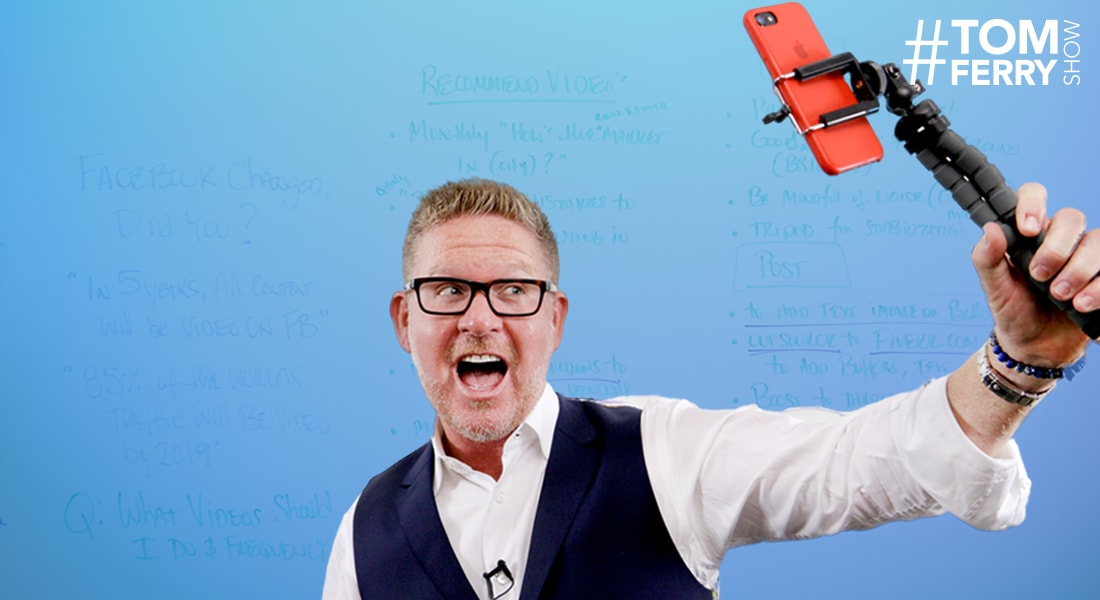
In this episode of This Week in Marketing, Jason Pantana breaks down the dos and don’ts of YouTube optimization for agents and where to focus your effort. You can also explore the full YouTube optimization episode for more of Jason’s strategies.
What Is YouTube Optimization?
YouTube optimization combines video SEO with audience engagement. The goal is to clearly communicate what your video is about while giving viewers a compelling reason to choose it and keep watching. Start with useful topics your audience already cares about. These real estate video ideas can help you build a stronger content pipeline.
For real estate agents, successful YouTube SEO starts with understanding who you’re trying to reach and what they want to know. Someone searching for “moving to [City]” has different needs than a homeowner searching for “how to sell a house in [City].” Your videos should answer those questions clearly and demonstrate your local expertise.
Focus on three goals:
- Discoverability: Help YouTube understand your video’s topic and connect it with relevant searches.
- Engagement: Give viewers a reason to click, watch, and explore more of your content.
- Conversion: Help interested buyers and sellers take the next step toward working with you.
Getting more views is valuable, but attracting the right viewers is what turns YouTube into a real estate marketing channel.
5 YouTube Optimization Tips for Real Estate Agents
1. Write Searchable, Accurate Titles
Use language buyers and sellers would actually search for. Put the main topic near the beginning and make the benefit of watching clear. A consistent real estate marketing calendar can also help you plan videos around timely questions and recurring client needs.
How do you find YouTube keywords for real estate videos? Start with questions your clients regularly ask. Review YouTube’s search suggestions, relevant search terms in YouTube Analytics, and the topics covered by videos that already serve your local audience.
For example, consider the difference between a vague title and one that communicates a specific benefit:
| Generic YouTube Title | Optimized Real Estate YouTube Title |
|---|---|
| Our Latest Market Update | [City] Housing Market Update: What Buyers Need to Know |
| Moving Tips | Moving to [City]? 5 Things to Know Before You Buy |
| Neighborhood Tour | Living in [Neighborhood]: Homes, Amenities & Local Insights |
| Selling Your House | How to Sell Your House in [City]: 5 Steps to Prepare |
Each optimized example identifies the topic, the intended audience, or the location. This makes the video’s relevance clearer without resorting to keyword stuffing.
Action step: Before uploading your next video, identify one primary search topic and write a title that accurately answers it. Keep the most important information near the beginning so viewers can recognize the topic quickly, even when the title is truncated on mobile.
2. Create Thumbnails People Want to Click
Your title and thumbnail should work together. Use a clear image, readable text when needed and a concept that accurately reflects the video. For Shorts and mobile-first content, review these tips for vertical YouTube videos.
Think of your thumbnail as the visual promise of your video. It should communicate the subject immediately without repeating every word of the title.
For example, a video titled “Moving to [City]? 5 Things to Know Before You Buy” could use a recognizable local image with a short thumbnail headline such as “MOVING HERE?” or “5 THINGS TO KNOW.”
A strong real estate YouTube thumbnail should:
- Use a clear, high-quality image related to the video’s topic.
- Include a recognizable neighborhood, property, or local landmark when appropriate.
- Keep any text short and readable on a phone screen.
- Use consistent visual branding without making every thumbnail look identical.
- Accurately represent what viewers will see in the video.
Action step: View your thumbnail at mobile size before publishing. Ask yourself whether someone unfamiliar with your channel could understand what the video is about in a few seconds. After publishing, review your impressions click-through rate in YouTube Studio to determine whether the title and thumbnail are attracting viewers.
3. Optimize Your YouTube Video Description
Use the opening lines to explain the topic naturally and include your primary keyword where it makes sense. Add relevant resources and a clear next step. You can also connect YouTube with the rest of your social strategy using these Instagram tips for real estate agents.
Your YouTube description should do more than repeat the title. It should help viewers understand what they’ll learn, provide relevant context, and make it easy for potential clients to connect with you.
Example: YouTube description for a real estate agent
Thinking about moving to [City]? In this video, I’ll cover five things buyers should know before purchasing a home in [City], including neighborhood considerations, housing costs, and local market conditions.
I’ll explain what makes this area unique and what to consider before making your next move.
Thinking about buying in [City]? Get my free local buyer guide or schedule a consultation: [Insert relevant website URL]
Have questions about moving to [City]? Leave them in the comments.
For longer videos, you can also add descriptive timestamps to create YouTube chapters and help viewers navigate to specific topics. Use timestamps that accurately correspond to the video, beginning at 00:00 and including at least three chapters when adding them manually.
Action step: Write a unique description for every video. Put the topic and value proposition in the opening lines, add one relevant conversion link, and include supporting information or chapters when useful. For long-form videos, make sure your external links are clickable and correctly configured. Remember that URLs in YouTube Shorts descriptions and comments are not clickable, so Shorts require a different path to your website, such as an eligible channel profile link.
4. Keep Viewers Engaged
Getting the click is only the beginning. Get to the point quickly, deliver on the promise of the title and thumbnail, and give viewers a reason to continue watching. Helpful video content can also support real estate lead generation by building familiarity and trust before a prospect reaches out.
The first few seconds of a video should reassure viewers that they’ve found the information they were looking for. Avoid lengthy introductions before getting to the actual topic.
For example, if your video is about moving to a particular neighborhood, start with a specific insight:
“Thinking about moving to [Neighborhood]? Before you start looking at homes, there are three things you should know about living here.”
Then deliver the information promised in the title. Keep your explanations clear, use visuals that support the discussion, and include local examples that demonstrate your expertise.
If you’re struggling with what to say on camera, use these real estate video scripts and examples to structure your message. That resource focuses on developing your video content, while this guide focuses on optimizing it for discovery and engagement.
For agents who need a repeatable production system, the free Brilliant Social Content playbook shares techniques for producing authentic local video content and building a consistent publishing strategy.
Action step: Watch the first 30 seconds of your latest YouTube video. Does it immediately address the viewer’s question? Then check audience retention in YouTube Studio. Look for significant drop-offs and identify opportunities to improve your introductions, pacing, or content structure.
5. Help Viewers Find the Next Video
Playlists, end screens and related videos can turn one view into a longer relationship with your channel. Build connected videos around the questions your market asks most often, then support the rest of your strategy with Tom Ferry’s free real estate marketing tools.
Instead of publishing isolated videos, organize your content into useful topic groups. For example, an agent focused on relocation buyers might build a series around:
- Moving to [City]: What You Need to Know
- Best Neighborhoods to Explore in [City]
- Cost of Living in [City]
- Buying a Home in [City]: A Step-by-Step Guide
- What to Expect During Your First 90 Days in [City]
Each video should answer a specific question while naturally introducing viewers to another useful topic.
Add relevant videos to playlists and use YouTube end screens where eligible to encourage viewers to continue watching. This helps create a connected experience rather than leaving viewers at a dead end.
Action step: Choose three related videos from your channel. Place them in a relevant playlist, add appropriate end-screen recommendations, and make sure each video gives viewers one clear next step.
Your 20-Minute YouTube Optimization Checklist
Already have a video recorded and ready to upload? Use this workflow to optimize it before publishing. The goal is to make YouTube SEO a repeatable part of your real estate marketing process, not another overwhelming task.
| Time | Optimization Task | What to Check |
|---|---|---|
| 0–3 minutes | Confirm search intent | Choose one specific buyer or seller question the video answers. |
| 3–7 minutes | Optimize the title | Put the main topic near the beginning and make the viewer benefit clear. |
| 7–10 minutes | Review the thumbnail | Check readability, relevance, and appearance on mobile. |
| 10–14 minutes | Write the description | Add a concise summary, relevant search language, and one clear next step. |
| 14–17 minutes | Connect related content | Add a relevant playlist, chapters where useful, and an end screen when eligible. |
| 17–20 minutes | Complete the final check | Review captions, links, video settings, and how the title and description appear. |
This checklist assumes your video and thumbnail are already prepared. If you’re creating everything from scratch, allow additional time for filming, editing, and design.
Don’t spend all your time chasing minor metadata changes while neglecting the video itself. YouTube places greater importance on titles, thumbnails, descriptions, content relevance, and viewer engagement than on traditional video tags. Focus your effort where viewers will notice the difference.
How to Turn YouTube Views Into Real Estate Leads
More YouTube views are useful, but views alone won’t grow your real estate business. The goal is to attract buyers and sellers who may need your expertise and provide a natural way for them to take the next step.
Think about what the viewer wants after watching:
- Relocation video: Offer a local relocation guide or neighborhood consultation.
- Seller preparation video: Invite homeowners to request a listing consultation or home valuation.
- Market update: Offer a personalized discussion about how local conditions affect their plans.
- First-time buyer video: Direct viewers to a relevant buyer resource or introductory consultation.
Make the next step relevant to the topic. A viewer researching neighborhoods may not be ready to schedule an appointment immediately, but a helpful relocation guide can begin a relationship that eventually becomes a transaction.
When a viewer does express interest, the next challenge is consistent follow-up. The free real estate lead follow-up automation playbook can help you develop a system for nurturing those inquiries instead of letting potential clients disappear after the first contact.
What YouTube Metrics Should Real Estate Agents Track?
Use YouTube Analytics alongside your website and CRM data to understand both content performance and business results.
| Metric | What It Tells You | How to Use It |
|---|---|---|
| Impressions and click-through rate | Whether your title and thumbnail are attracting clicks when shown. | Review your packaging when relevant videos receive impressions but few clicks. |
| Average view duration and audience retention | How well your content holds attention. | Identify introductions or sections where viewers drop off. |
| YouTube search traffic | Whether viewers are discovering your content through searches. | Review relevant search terms and develop related videos. |
| Website visits from YouTube | Whether viewers are moving from your channel to your website. | Track relevant description and profile links using analytics and campaign tags. |
| Inquiries and appointments | Whether YouTube is helping generate real business opportunities. | Record lead sources in your CRM and connect inquiries to the appropriate videos or campaigns. |
Action step: Review your YouTube performance monthly. Choose one video that is attracting the right audience and identify how to improve its title, thumbnail, viewer experience, or conversion path. Then use what you learn to plan your next piece of content.
If you want to see how another agent approaches YouTube as a lead generation channel, watch Jason Pantana’s discussion about generating real estate leads from YouTube, including content research, thumbnails, and keyword optimization.



Turn YouTube Views Into Real Estate Opportunities
Effective YouTube optimization is not about tricking an algorithm. It is about making useful content easier for the right audience to discover and act on.
Start with one existing video. Improve its title and description, review its thumbnail, connect it to related content, and make sure it offers a meaningful next step. Then use your analytics to learn what works and apply those lessons to future uploads.
Watch the episode for Jason’s full strategy, then put it into practice with Social Media Simplified. This free guide includes 50 video ideas, publishing schedules, and strategies for turning social media engagement into real estate business opportunities.
Need help making video marketing part of a larger growth strategy? Explore real estate coaching programs to see how structured guidance and accountability can support your business. You can also learn how to evaluate the success rate of real estate coaching using meaningful performance metrics.
If you’re ready to build a more consistent marketing and lead generation strategy, schedule a free real estate coaching consultation to discuss your goals, current challenges, and next steps.